Our Expertise
The studio at 81 rue des Martyrs
All Emmanuelle Zysman jewelry is born in one place: the studio-boutique at 81 rue des Martyrs, in Montmartre. Emmanuelle designs, selects the stones, and follows each piece from sketch to delivery. A small team of artisan jewelers works alongside her, using the traditional tools of French jewelry making: hammers, files, setting pliers, torches, and draw benches.
Signature techniques
Hand-hammering
Hammering is the house's visual signature. Every Mon Chéri wedding band, every bangle, and every Phenix medallion is hammered piece by piece, without a template, in natural light. The resulting surface is vibrant: no two pieces are exactly alike. The metal captures light differently depending on the angle, and the patina enriches over time. A hammered wedding band lives with the person wearing it.
Bezel setting
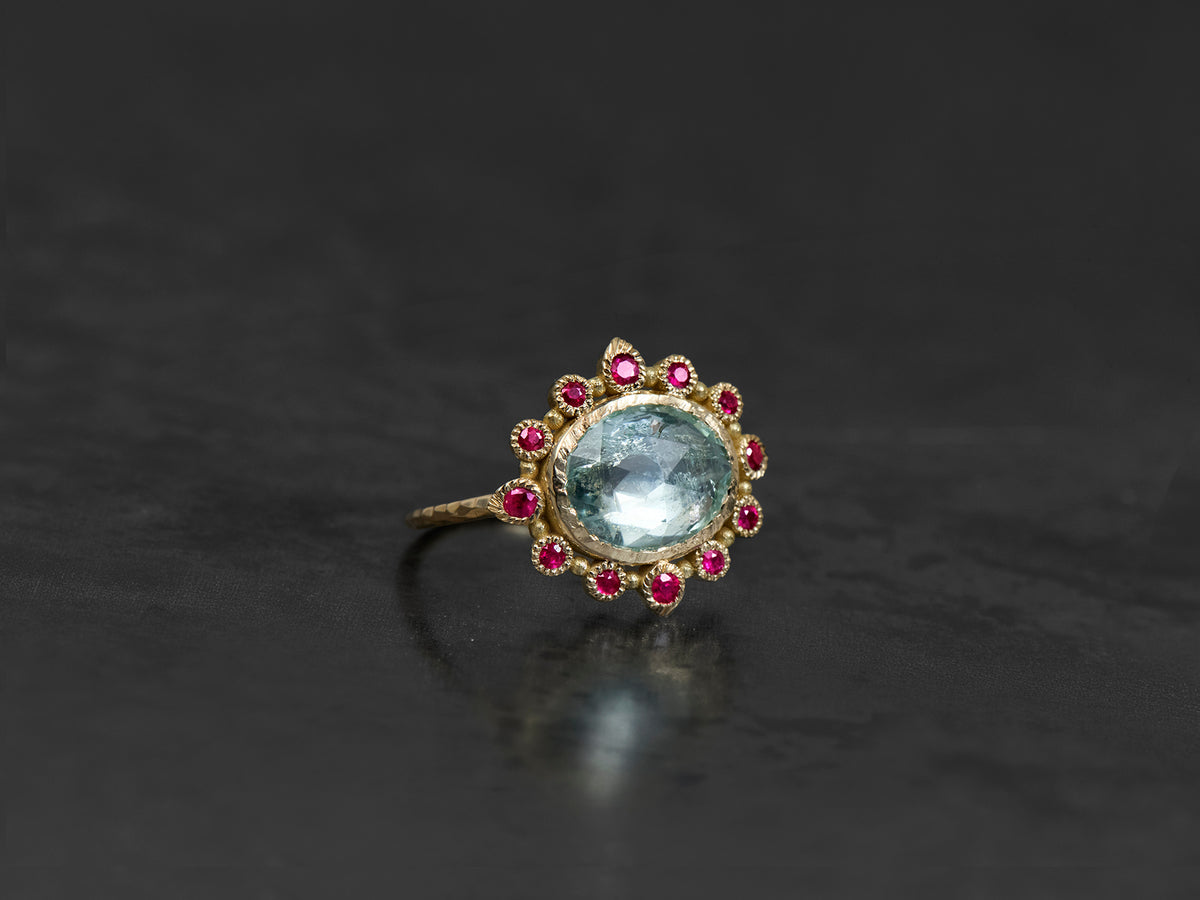
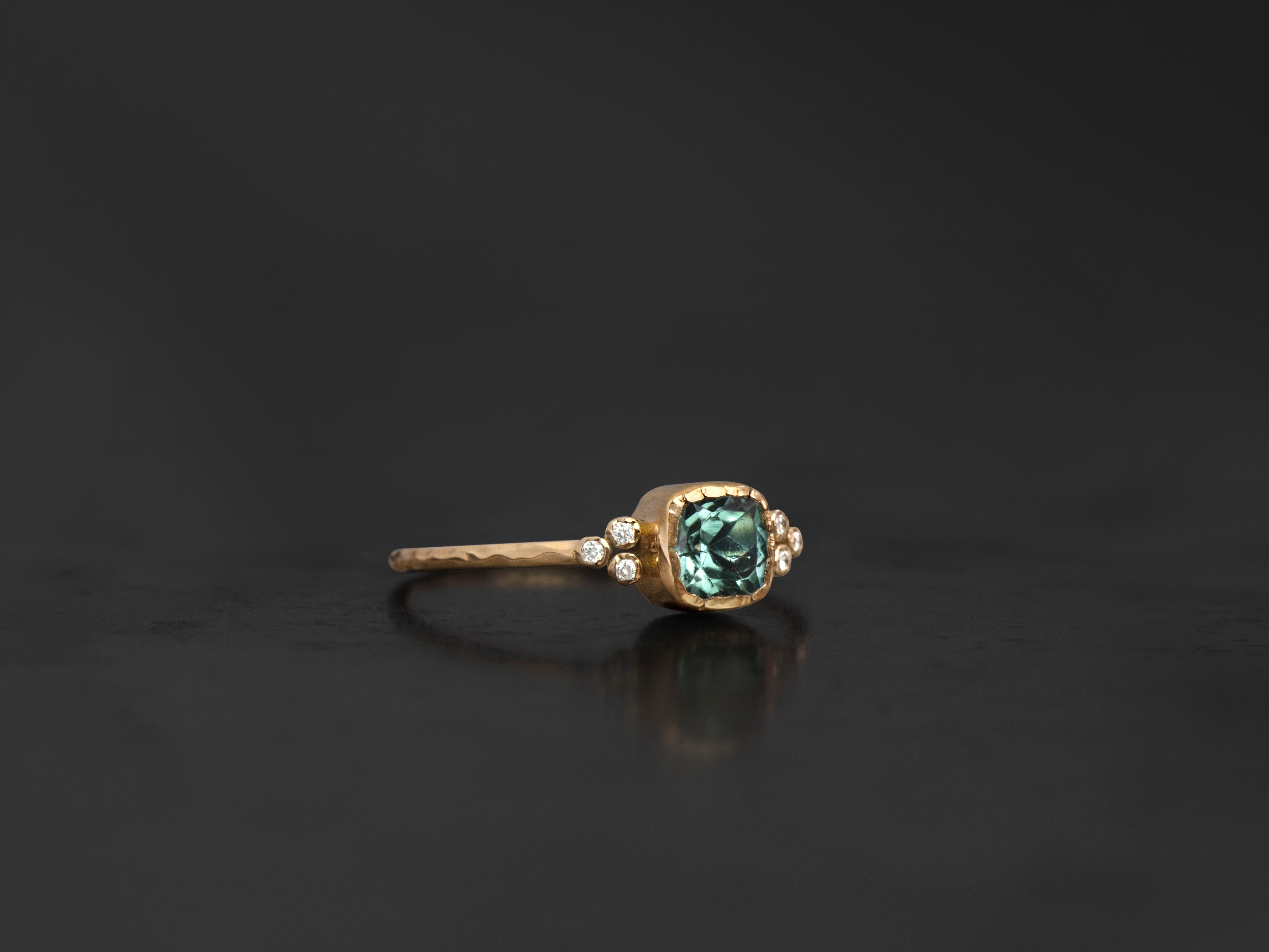
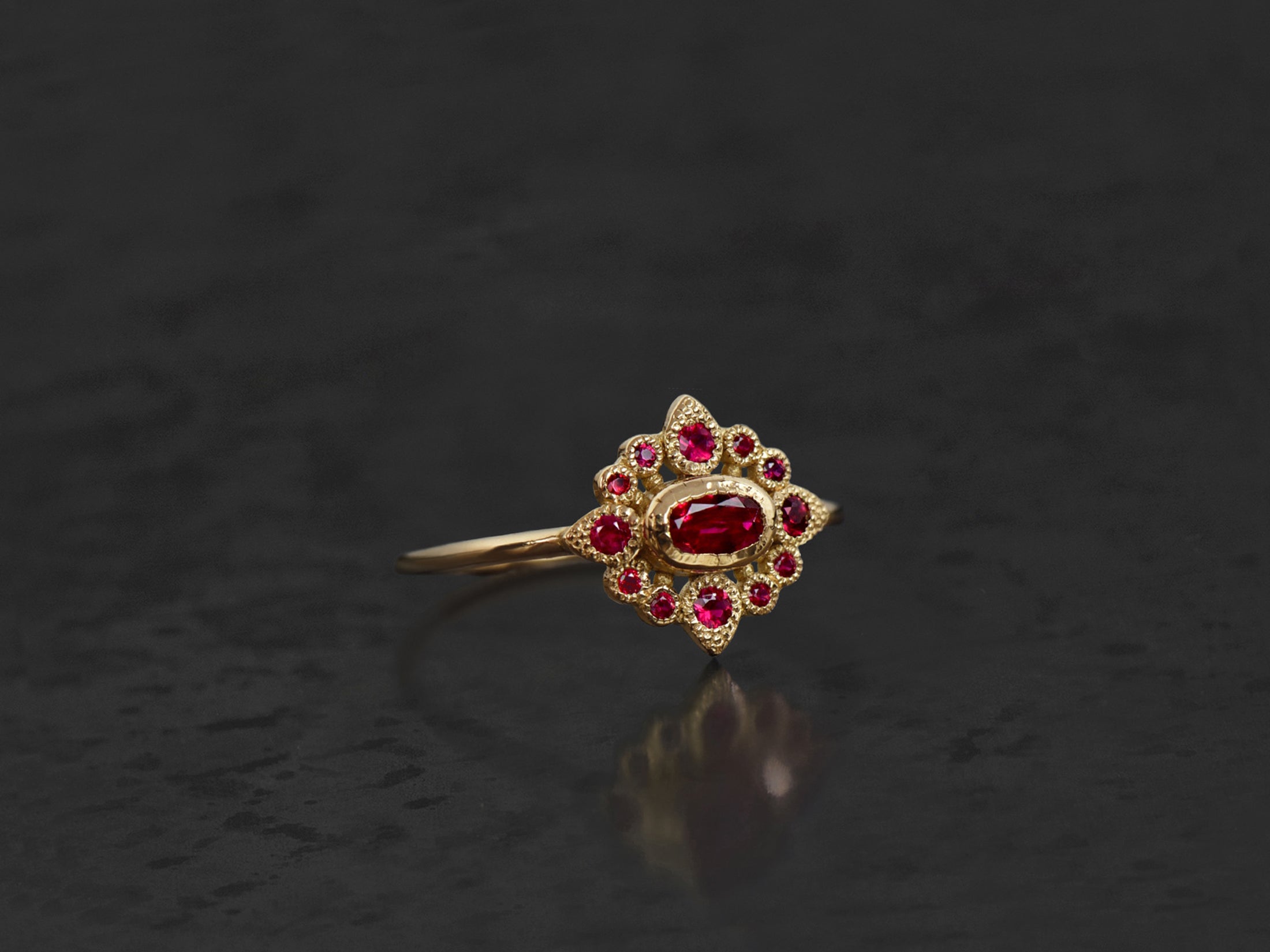
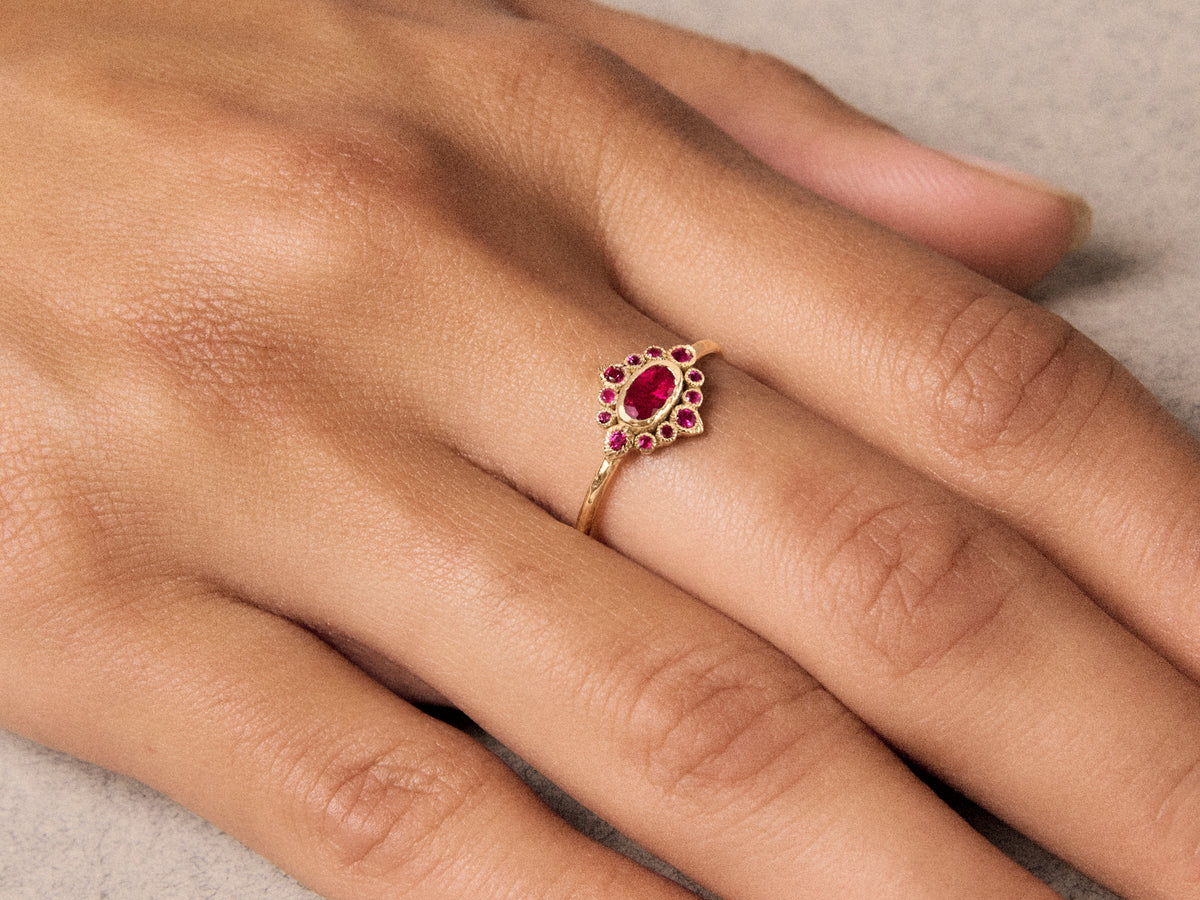
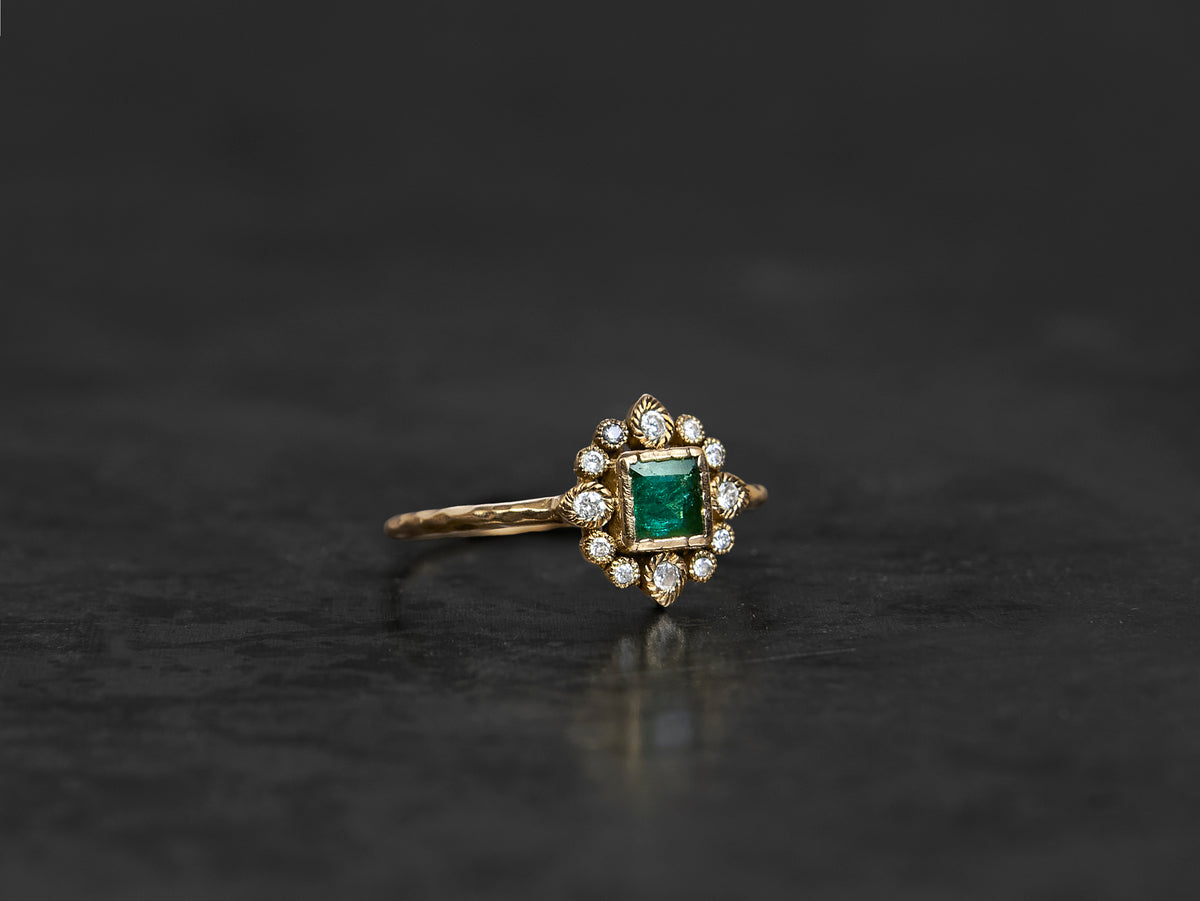
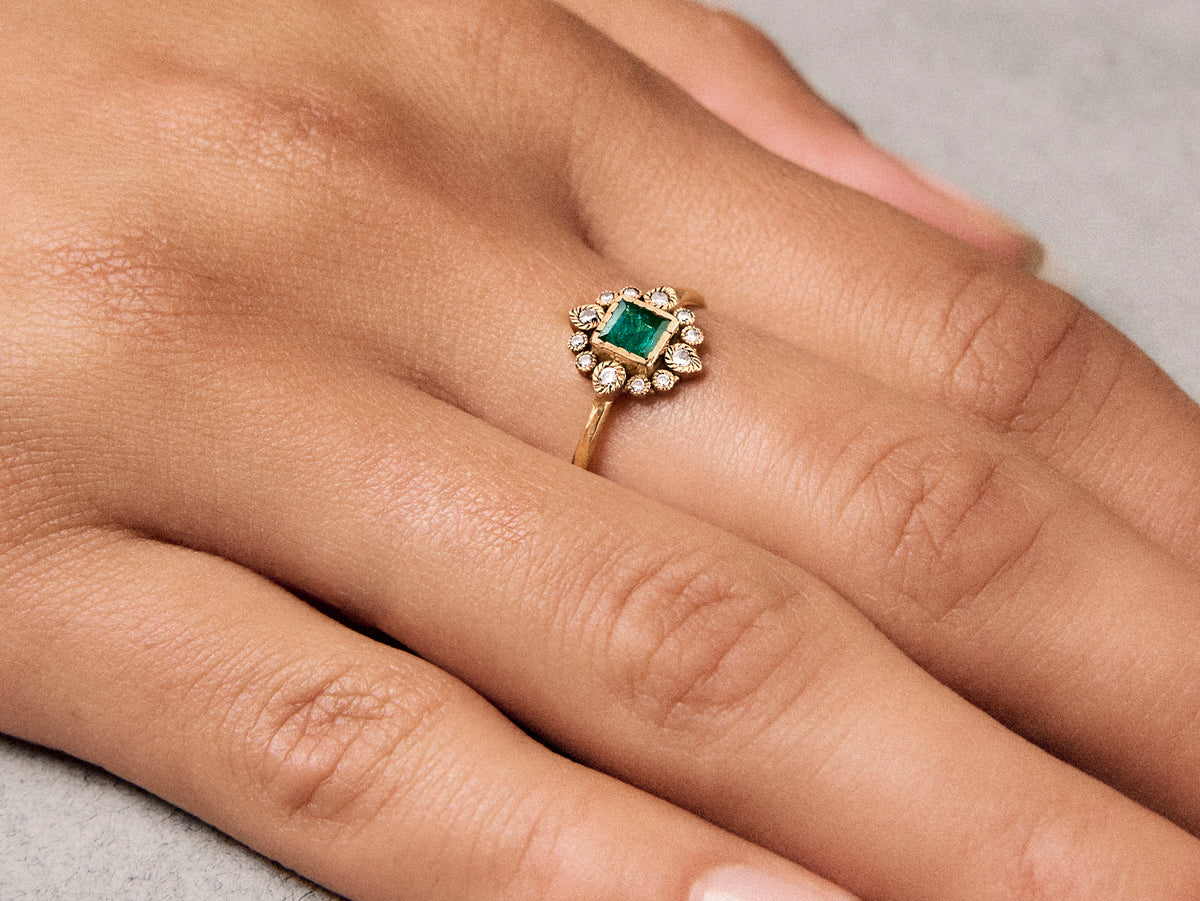
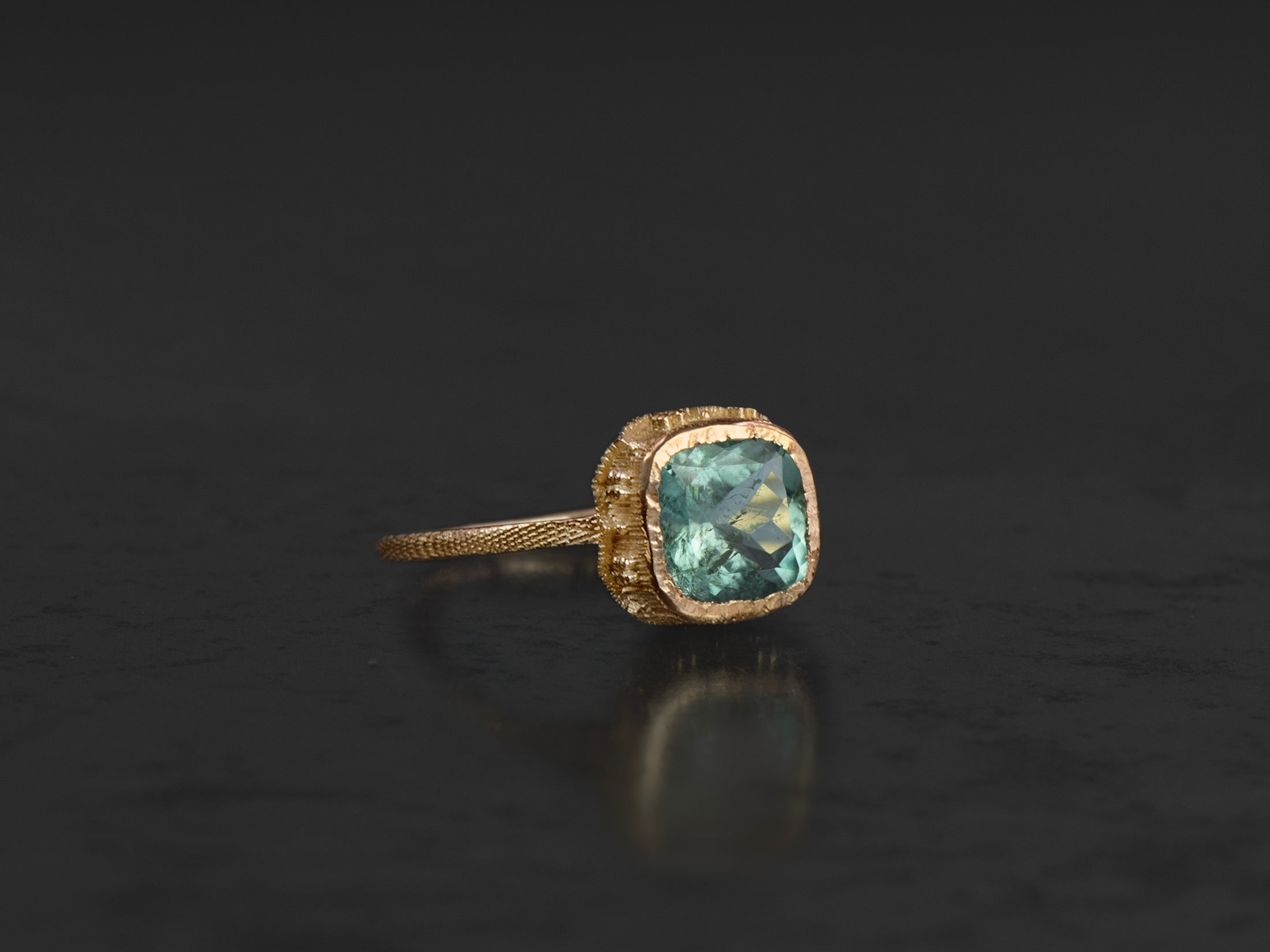
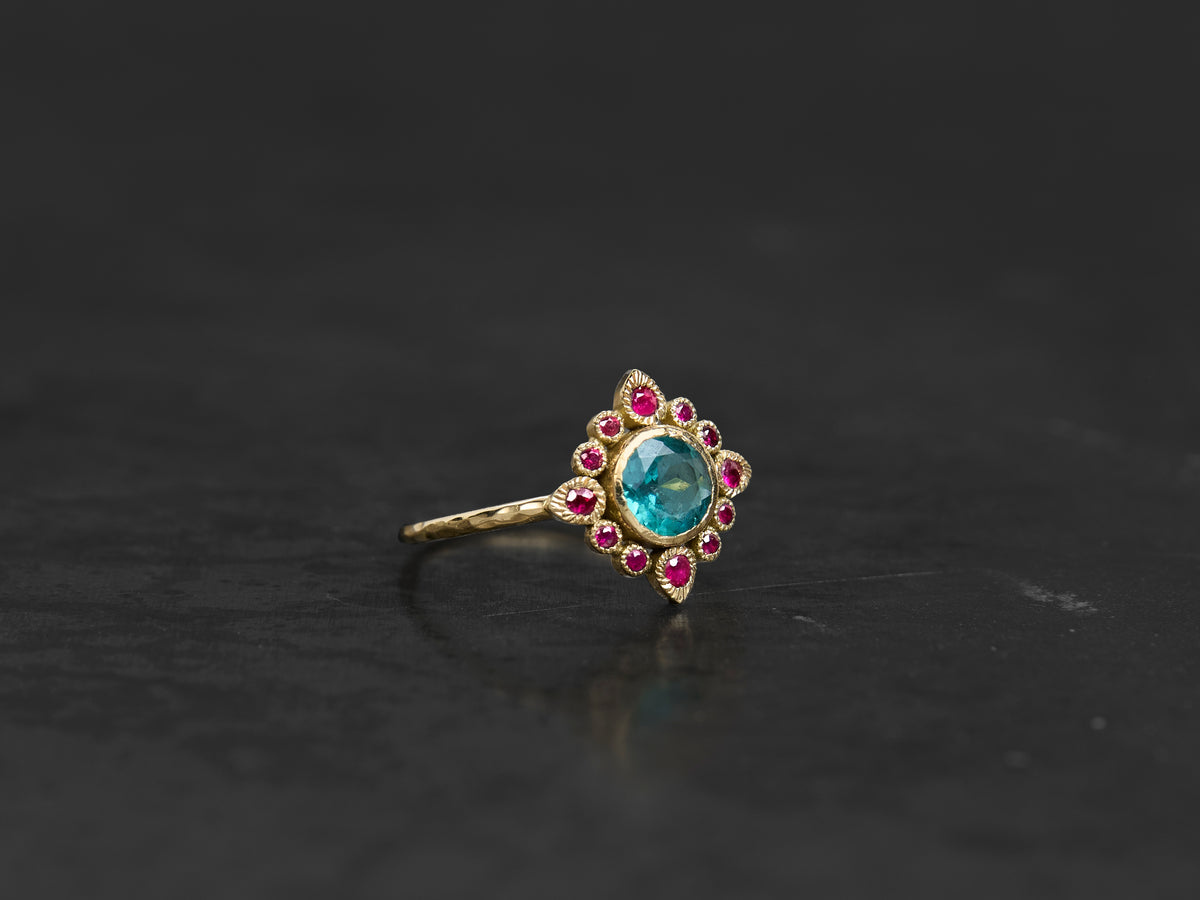
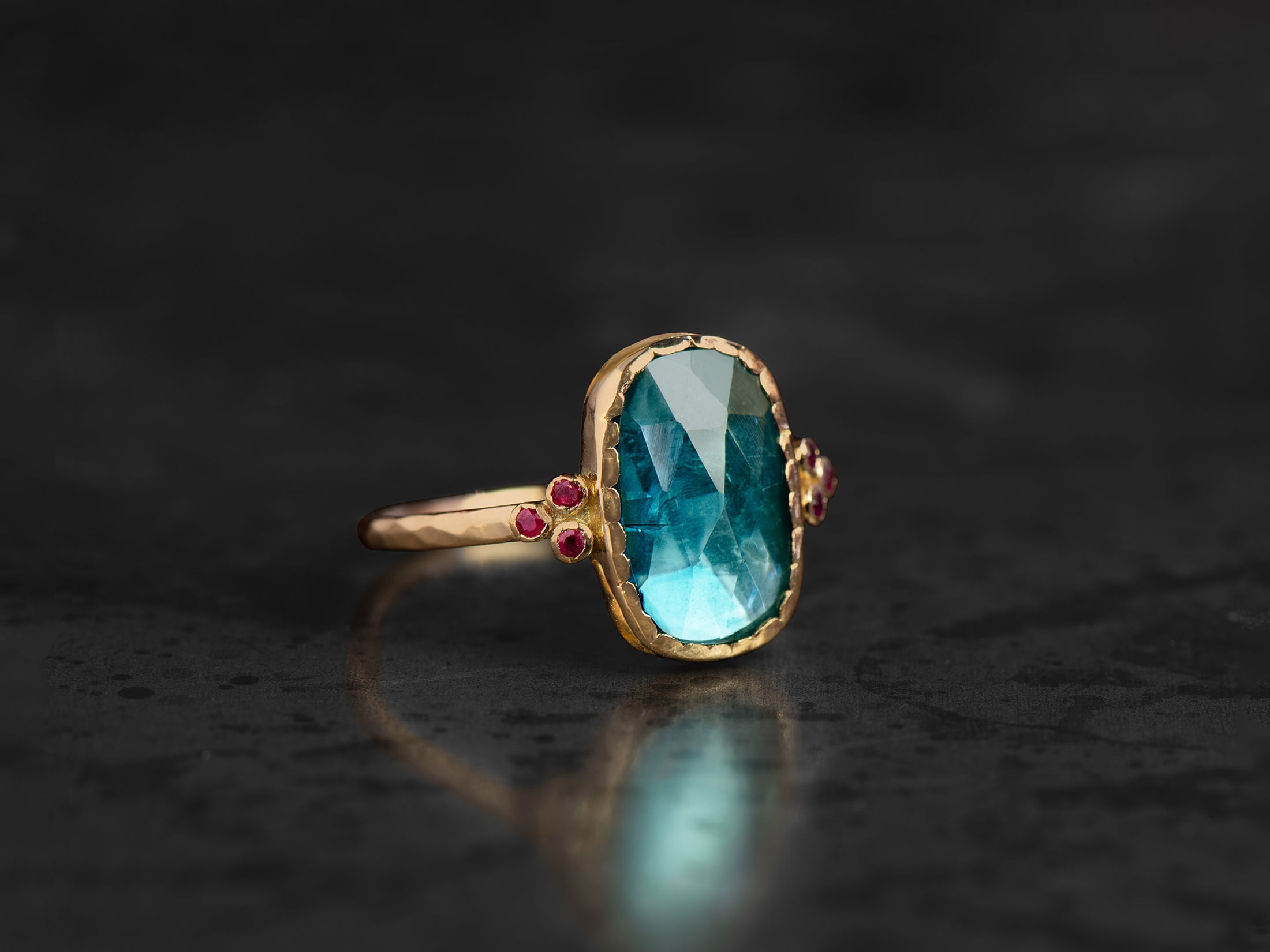
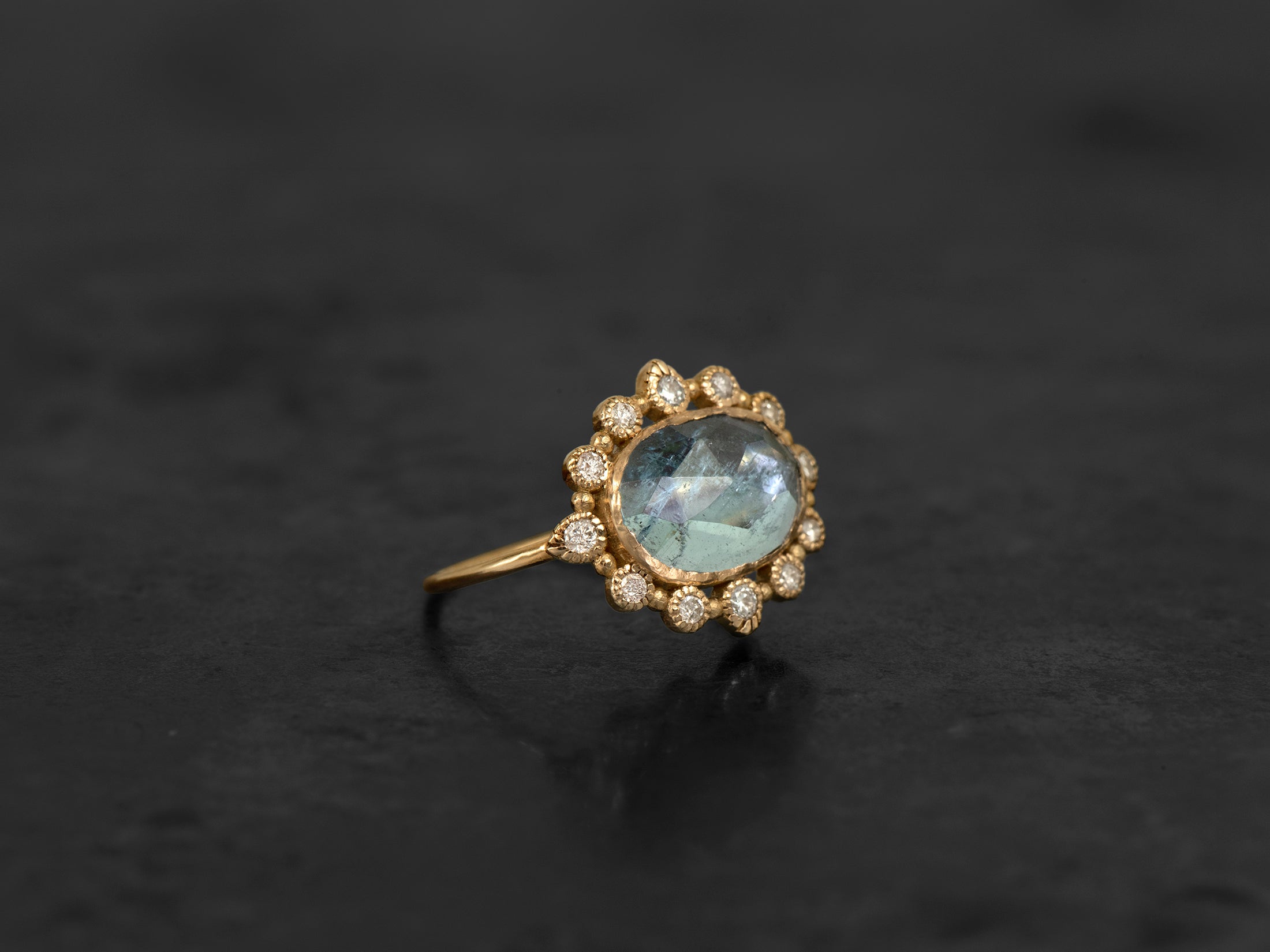
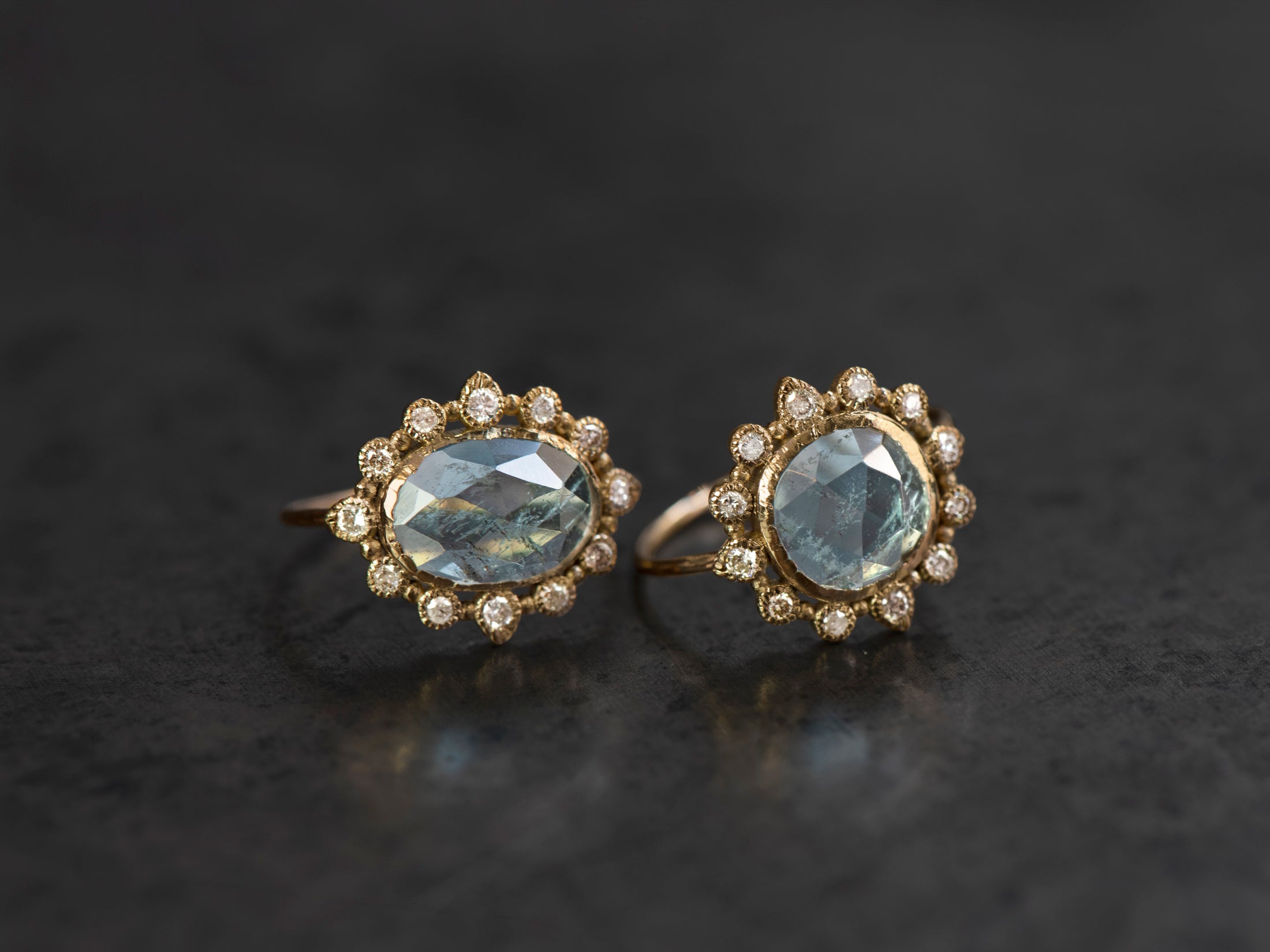
Rather than traditional prongs, we prefer bezel setting: the stone is surrounded by a ring of metal that protects its entire perimeter. This setting is more resistant for everyday wear, more discreet, and highlights the color of the stone without weakening it. It is also a demanding technique that requires great precision for stones with irregular contours—typically the rose cuts or cabochons we often work with.
Lost-wax casting
For complex jewelry pieces, sculptural rings, unique models, and custom-made creations, we use lost-wax casting. The piece is first modeled in wax, then coated in plaster. The plaster is fired, the wax evaporates, and molten metal takes its place. Each cast piece is then finished by hand: deburring, polishing, and setting.
Materials
18-karat gold (750/1000)
The standard of French jewelry, 18-karat gold contains 75% pure gold. We work with three alloys:
- Yellow gold: a warm, classic alloy that highlights stones with saturated hues (tourmalines, rubies, spinels, citrines).
- White gold: a rhodium-plated, neutral alloy, ideal for white diamonds and light-colored stones. Rhodium plating needs to be reapplied every 3 to 5 years depending on wear.
- Rose gold: a copper-toned alloy, rarer in the house, used for occasional pieces.
950 platinum
A noble metal par excellence, 950 platinum is denser and more resistant than gold. Its whiteness is natural, and its patina, which develops as a matte oxidation, is sought after by some. Platinum is our preferred metal for engagement rings and wedding bands intended for daily wear.
Solid silver and vermeil
925 silver is used for our everyday pieces: bangles, medallions, motto necklaces. Vermeil is solid silver plated with 5 microns of fine gold; it is the highest quality of plating on the market, which, while not comparable to solid gold, easily withstands daily wear for several years.
Gold-plated
For certain accessible pieces, we use gold plating on brass, a durable plating that allows us to offer signature jewelry.
The stones
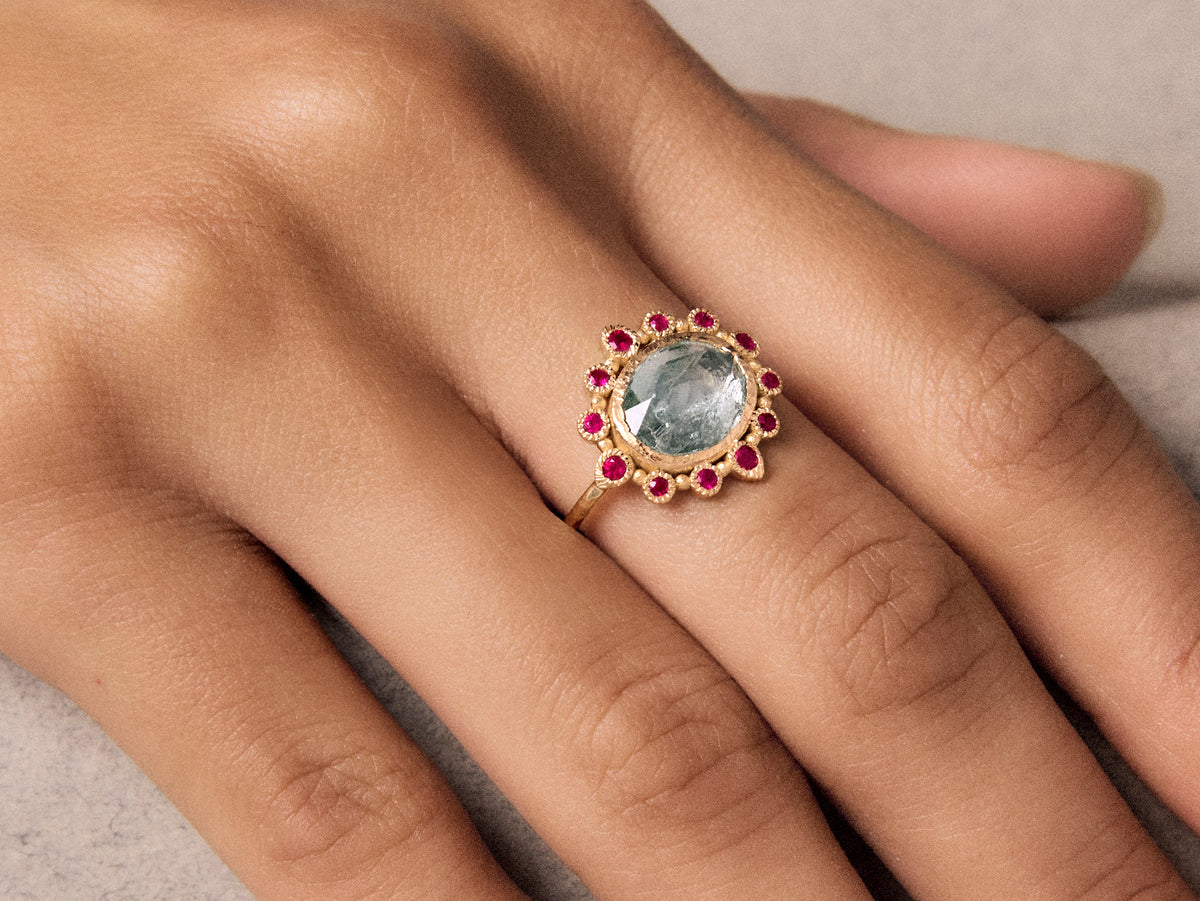
Emmanuelle chooses her stones for their character: the depth of an indigo tourmaline, the inner light of a rose-cut aquamarine, the unique hue of a spinel.
The main stones worked by the house:
- Tourmalines (pink, green, indigo, multicolored)
- Aquamarines (faceted, rose-cut, cabochons)
- Spinels (red, pink, gray)
- Sapphires (Montana, yellow, pink)
- Diamonds (white, champagne, black)
- Rubies
- Emeralds
For custom creations or specific budgets, Emmanuelle will guide you through the selection process at her lapidaries.
Transformation and bespoke service
A significant part of our activity is transformation: bringing new life to an heirloom piece of jewelry, resetting a family stone into a new ring setting, or melting down old gold into a new piece. It is one of the house's most concrete commitments: not to create for the sake of creating, but to accompany stories of transmission.
Repair, maintenance, and trade-in
Most work is carried out in the studio within a few days.
For any questions regarding the maintenance of a piece or a transformation project, contact us via WhatsApp or by email.
Discover our creations
Fine Jewelry Rings